%20(3).png)
Illuminating the Industry: Strictly Scotch Whisky
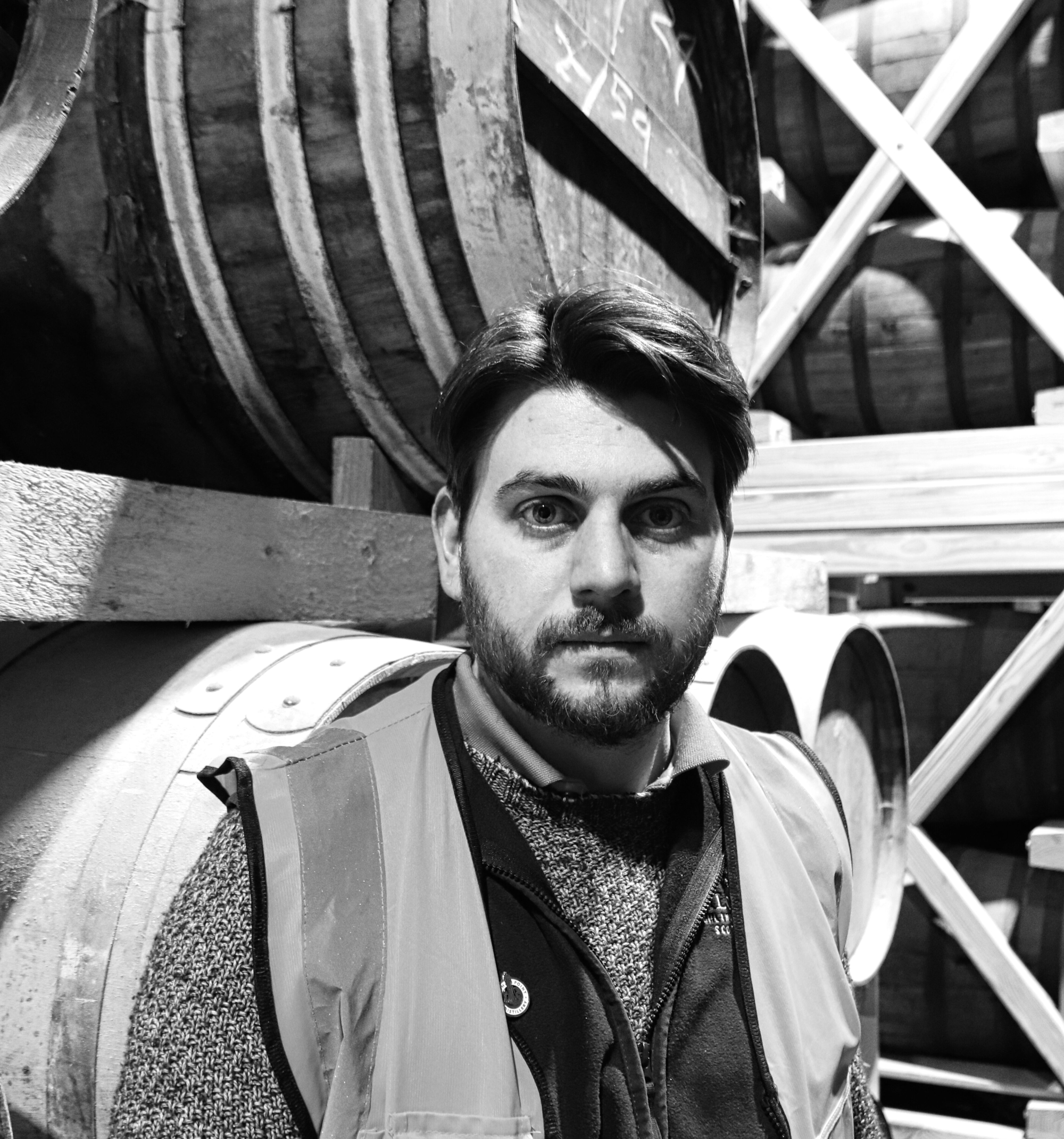

As we finished up our annual training week last week, one of the sessions that we ran with our Production Team was a mock ‘SDVS’ audit. This got me thinking: there’s a plethora of content on the internet around what “Scotch Whisky” is, but not so much of a peek behind the curtain to show what a typical distillery needs to provide in order to be allowed to use that protected term.
HMRC, aka the taxman, operates a department called SDVS: The Spirits Drink Verification Scheme, and it is this specialist unit that are entrusted to inspect and verify every one of Scotland’s whisky producers and processors.
Because Scotch Whisky holds a Geographical Indication (GI), and the legal definition of Scotch Whisky is enshrined in legislation, those wishing to produce, process or market Scotch must be verified to check that they are following the laws appropriately. Notice how I didn’t say “distilleries”? Each specific location that deals with the production of Scotch Whisky needs to be verified, regardless of whether it is a distillery, a warehouse, or bottling hall. This SDVS inspection is normally a biennial (every 2 years) deep dive, but the new framework will see visits extended to once every five years.
We’ll be talking specifically about production here, excise and duty is a whole other kettle of fish. These audits provide an in-depth look at your whole distillery’s process, but a vital one; this is the frontline of ensuring and protecting the global reputation that Scotch Whisky has built up over centuries.
Currently, SDVS provide permissions for each of the following categories:
Fermentation (malt)
Fermentation (grain)
Distillation (malt)
Distillation (grain)
Maturation
Blending
Bottling and labelling
Each of the above has its own strict set of rules and regulations.
Currently, we hold permissions for malt fermentation & distillation, maturation, bottling and labelling. We previously held blending approvals, but found we weren’t using it enough to justify the hefty four-figure fee, so we let this particular approval lapse last time out.
For whisky geeks, you can learn a lot about what actually goes on at a site by using the look-up function to find out what their favourite distilleries are allowed to do here.

It might surprise you to know that very few distilleries now hold permissions to bottle their own products on site, and that there are an increasing number of sites that only ferment and distil.
During an SDVS visit, the first thing the officer will ask for, after reading your HMRC alcohol licences, is a site tour. During this, they will ask both management and production members innocuous questions regarding everything from ingredients to process, to troubleshooting, with a fair amount of “what if?” curveballs thrown in there. There’s a bit of an informal quiz regarding the 2009 Scotch Whisky regulations, as well as the different whisky categories, such as single malt, single grain etc. They ask about “exogenous enzymes” a lot…
Once they’re happy with the process and team, the mountain of paperwork begins.
The first thing they do is go through each of your procurement records, from each of your suppliers. They do this to ensure that what you’ve told them during your walk-round tracks with reality. For us, with single malt permissions only, this means making sure we aren’t bringing in anything for Scotch Whisky production that we aren’t allowed, such as other grains. Our yeast invoices are also carefully scrutinised to make sure that we’re not bringing in any external enzymes (these are forbidden in any whisky production, not just single malt production). The only extras allowed are “processing aids”, such as anti-foams or water treatment agents. Casks have to also be declared specifically as being oak, it’s not enough to simply have them listed as “red wine”, for example. Any colourings have to be specifically e150a, rather than variants such as e150b. That’s an easy one for us, as we do not use artificial colourings and never will.

Once SDVS are satisfied that you’re not bringing anything naughty into the distillery, their next task is to scrutinise the previous 2 years’ worth of production logs. This is a fairly gargantuan task as they require a whole host of information, including grain bills, wort and wash densities, yeast additions, fermentation logs, wash distillation dates, volumes & ABVs, spirit distillation charging records, cut points, vessel tracking, ISR filling logs, cask filling records, as well as many, many more. On top of that, random spot checking of your data must corroborate itself, as well as aligning with your purchase records and production scale discussed in the walk-round. Oh, and they also have your last few years of HMRC duty & warehousing submissions to cross-reference against.
It’s an intense hour or so.
Once SDVS are happy with the liquid production side of things, it’s back up to the warehouse. During the paperwork inspection above, the SDVS officer is likely to write down, in secret, a series of cask numbers. It’s then our job to locate and identify each of these casks. Once the SDVS officer is happy with this, it’s the same but in reverse: he’ll point to various casks and it’s up to us to identify exactly what’s in them. We have a fairly robust tracking system, which differentiates between the different categories of Scotch Whisky, as well as our Rums and the odd Gin cask we have. There’s also the second round of the “informal” quiz around cask types, inert vs non-inert vessels, AYS, tracking methods, etc....
After warehousing, it’s back to paperwork, where the bottling and labelling records for each of our whisky runs are kept. Whilst we haven’t bottled our own Dalclagie yet, we offer private bottling services to a select few clients.
Finally, after a jam-packed few hours, the SDVS officer lets us know that we have passed and are permitted to use the GI “Scotch Whisky” for the next two years, until it is time for our next visit. We’ve been through and passed this process twice now. It’s a rigorous process, especially in the period leading up to the inspection, but one we are definitely happy is in place. Overall, we believe that such a deep and systematic audit process is of massive benefit to the Scotch Whisky industry as a whole. It’s not by coincidence that Single Malt Scotch Whisky has such a prestigious, worldwide reputation.
All of the rules and regulations in place around Scotch Whisky production ensure that the final product that makes its way into shops and bars and homes is not only true to its name, but also its heritage. So, you can be certain that whether you’re buying a bottle or a cask of Dalclagie, it’s truly Scotch Whisky.
As we are always coming up with new ideas for blogs, our next instalment in the “Illuminating the Industry” series will either be the details behind cask selection or malt selection. We would love to hear which you would prefer first. Let us know your thoughts on the Poll below!
-- Greg Benson, Head Distiller
Which topic should we cover next in our "Illuminating the Industry" series?
Cask Selection
Malt Selection


Comments